Aim
To show the pressure-volume behavior of a vapour.
Subjects
4C33 (Vapor Pressure) 4F30 (Heat Cycles)
Diagram
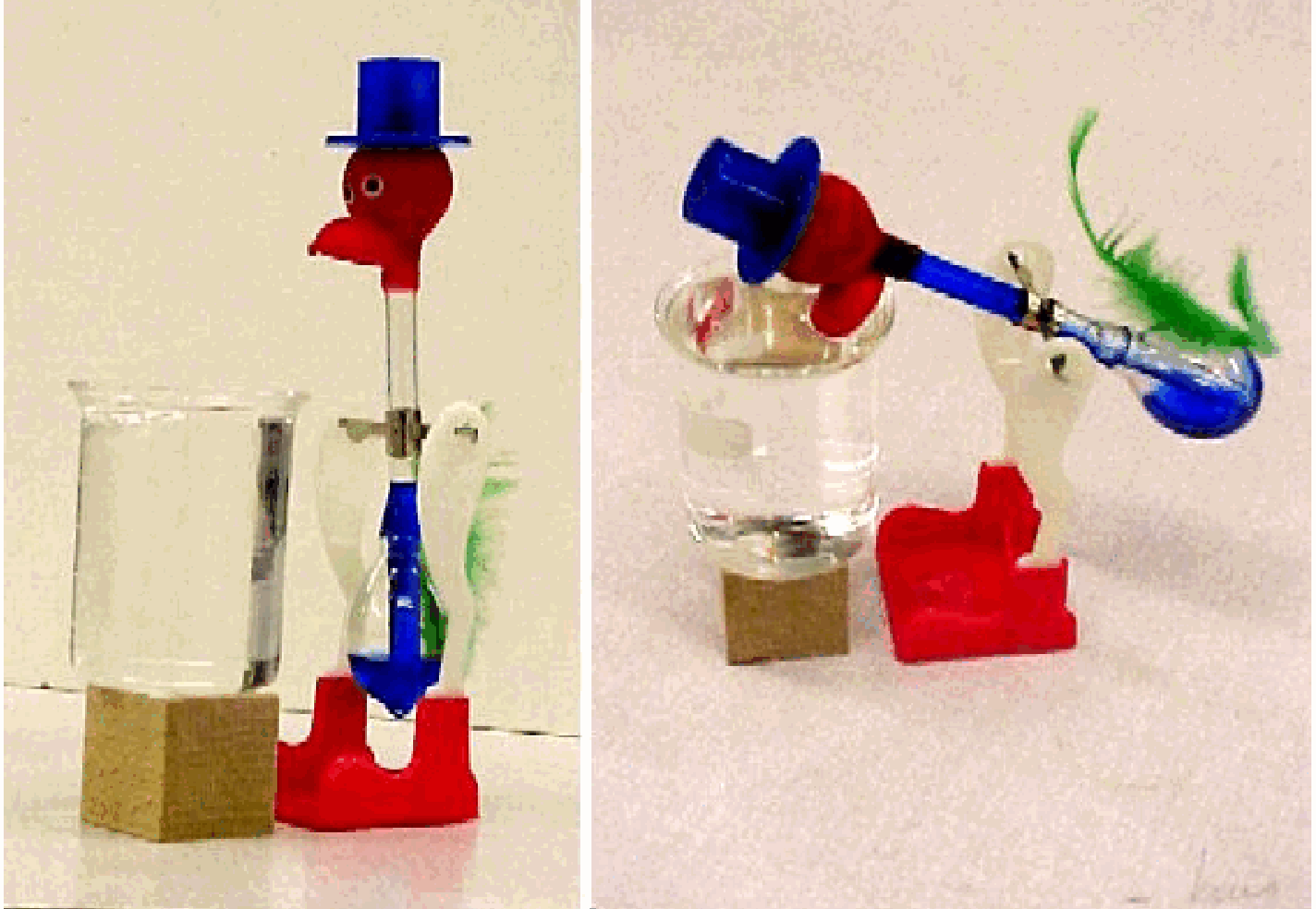
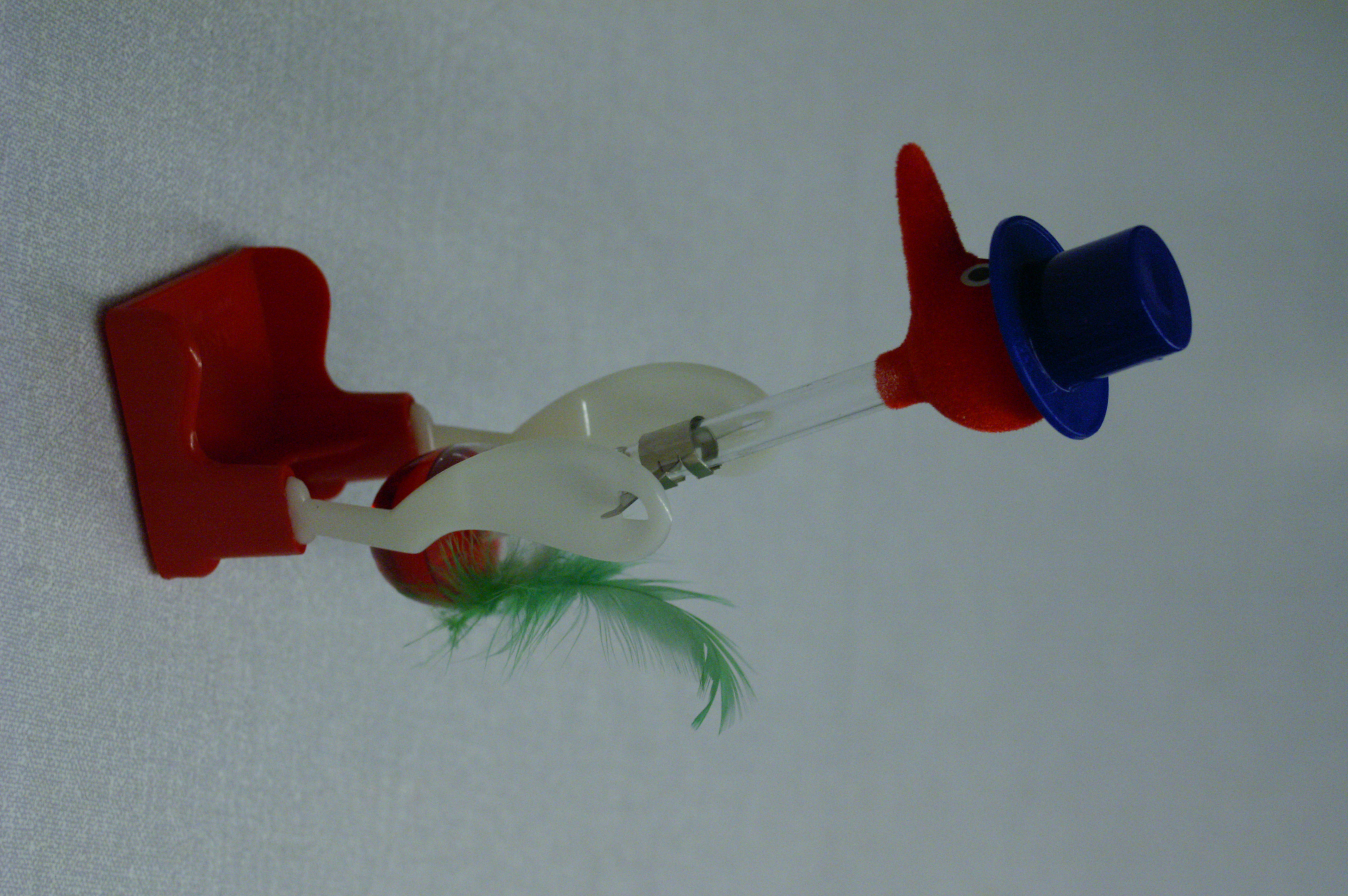
Equipment
Dippy bird.
Small beaker, filled with distilled water.
(Second dippy bird and lamp; see at the end of ‘Explanation’.)
Safety
Despite the drinking bird’s appearance and classification as a toy, several safety considerations should be noted. The liquid inside the drinking bird is Dichloromethane. This chemical can cause skin irritation upon contact and may irritate the lungs if inhaled. It is also classified as a mutagen and teratogen, and is considered a potential carcinogen. Under normal conditions, the intact toy is leak-proof and safe to handle. However, if the toy is broken, hazardous Dichloromethane may be released. Because Dichloromethane evaporates rapidly, ensuring good ventilation after a spill will help dilute and disperse the vapor.
Always keep a beaker in front of the bird. The beaker stops the forward movement of the bird. When there is no beaker to stop the forward movement of the bird, the glass bird will fall down and the glass breaks.
(Early models of the dippy bird were often filled with highly flammable substances. The fluid in later versions is nonflammable.)
Presentation
Set up the dippy bird and the beaker as shown in the Diagram. Fill the beaker with distilled water and dip the beak of the dippy bird in it. Then let the bird go. While the bird is swinging, the blue liquid rises from the belly through the central tube to the head. The bird topples, and dips its beak into the water again, the blue liquid runs down the straight tube and the bird rises again to its vertical, swinging position. This goes on and on, repeating its chain of events.
To the teacher it is very instructive to have the students explain what is happening. So just put the bird in your lecture room and let the students break their brains.
Explanation
Figure 3 shows the system. The bird is filled with a liquid (dichloromethane) having low latent heat of evaporation. Only this liquid and its vapour are inside the bird.
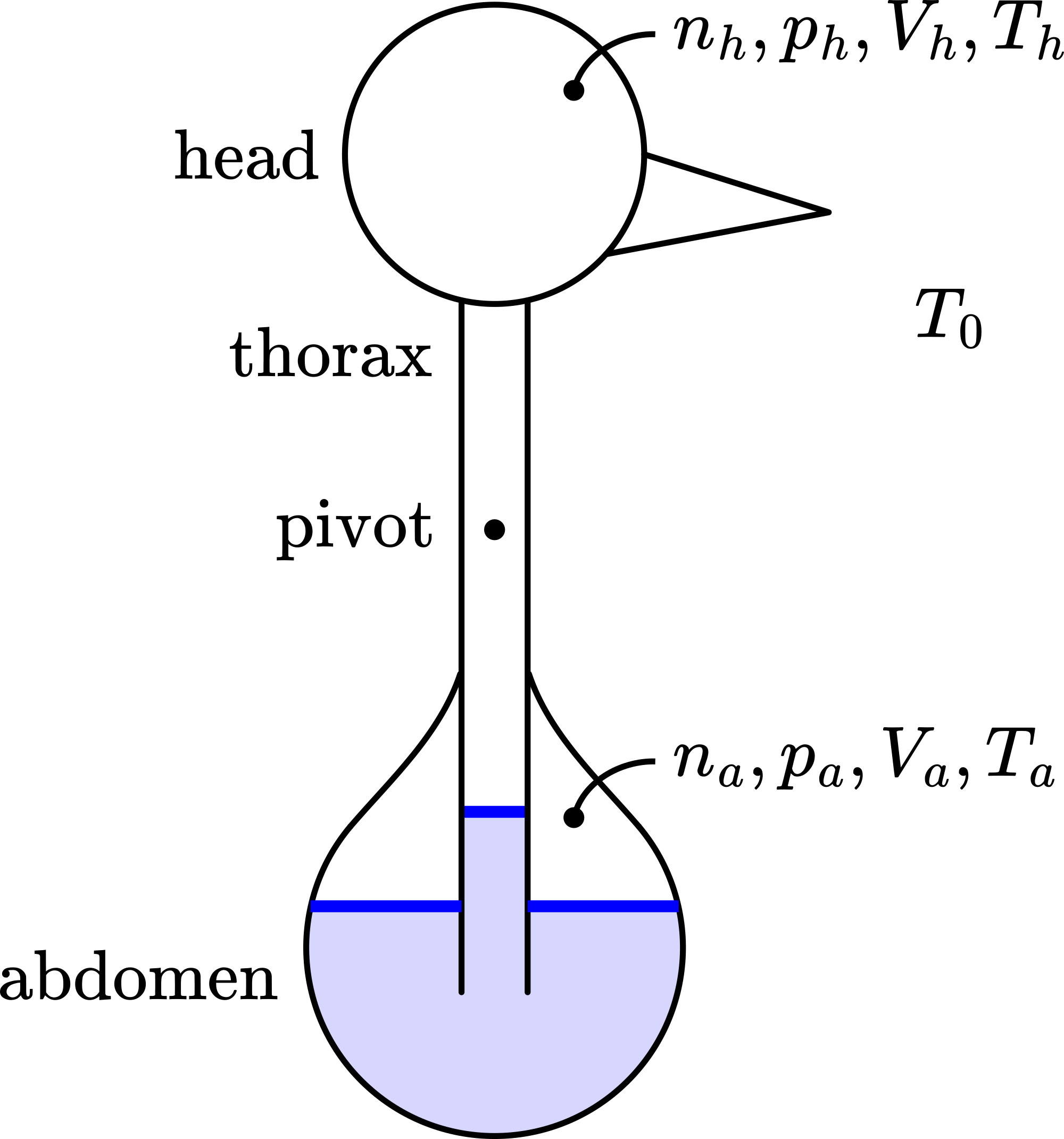
Initially the system is at equilibrium. There are two spaces to consider: the head with moles of vapour and the abdomen with moles of vapour.
Evaporation of water on the beak outside the head draws heat from inside it; the vapour inside the head partially condenses, reducing and thus lowering . The pressure in the abdomen pushes fluid up the thorax, which reduces the volume of the head. Consequently the volume of the abdomen increases. This causes evaporation in the abdomen (increasing ), made possible by drawing heat from the surroundings.
As the fluid rises, the center of mass moves above the pivot point, causing the bird to tip forward. The amount of fluid is carefully adjusted so that, at maximum tilt, the lower end of the tube becomes exposed to the vapor. A vapor bubble then rises through the tube, allowing the fluid to drain back into the abdomen.
As the bubble rises, it transfers heat to the head. This causes the center of mass to shift below the pivot point, allowing the bird to return upright. The bird then bobs back, oscillating until it reaches its original position.
Due to this fast swinging movement, there is good evaporation of the water on the beak, and the whole cycle described above repeats itself.
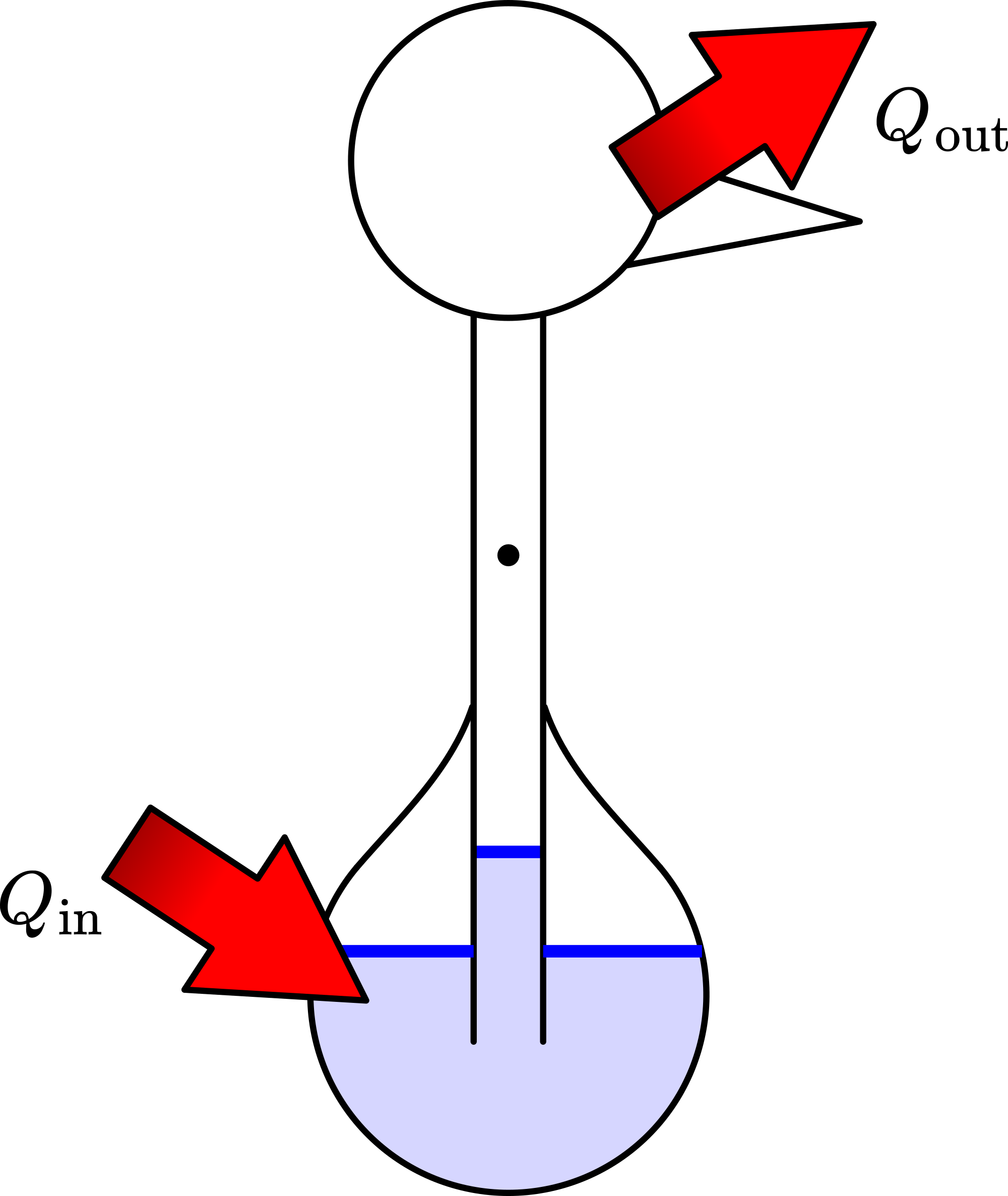
Figure 4 shows the behaviour of the dippy bird as a heat-engine. Heat flows into the bird at the abdomen and is discarded at the head/beak-side.
A second bird
Considering the dippy bird as a heat-engine (see Figure 4) induces the idea that it will work as well when, instead of cooling the head, you heat up the abdomen. We tried this by shining light on the dippy’s bottom and indeed, the bird dipped! Demonstrating also this version of the dippy bird will once more make clear that the factor that makes heat-engines work is the temperature gradient.
Remarks
We use distilled water instead of tap water, because in our city tap water is hard water and in due time the lime would thermally isolate the beak of the bird.
When the bird dips his beak into the water, sometimes it is stuck there due to surface tension. This can be prevented by changing the set up such that it dips its beak less deep into the water.
Take care not to make the head so wet that it drips down the tube: it will change the balance of the bird and it will also cool down the bottom too much. Both effects will stop the swinging of the dipping bird.
The pivot of the bird is bent, to unbalance the bird always into the forward direction.
As a heat engine the dippy bird can produce work, but this is very low, with a low efficiency (see Sources).
Sources
Mansfield, M and O’Sullivan, C., Understanding physics, pag. 276-277.
The Physics Teacher, R. Mentzer, pag. 126-127, Vol 31 (1993).
The American Journal of Physics, J. Guemez e.o., pag. 1257-1263, Vol 71 (2003).
The American Journal of Physics, R. Lorenz, pag. 677-682, Vol 74 (2006).