Aim
Determining the coefficient of static friction.
Subjects
1K20 (Friction)
Diagram
Equipment
Table.
Chain, ().
Bar.
Presentation
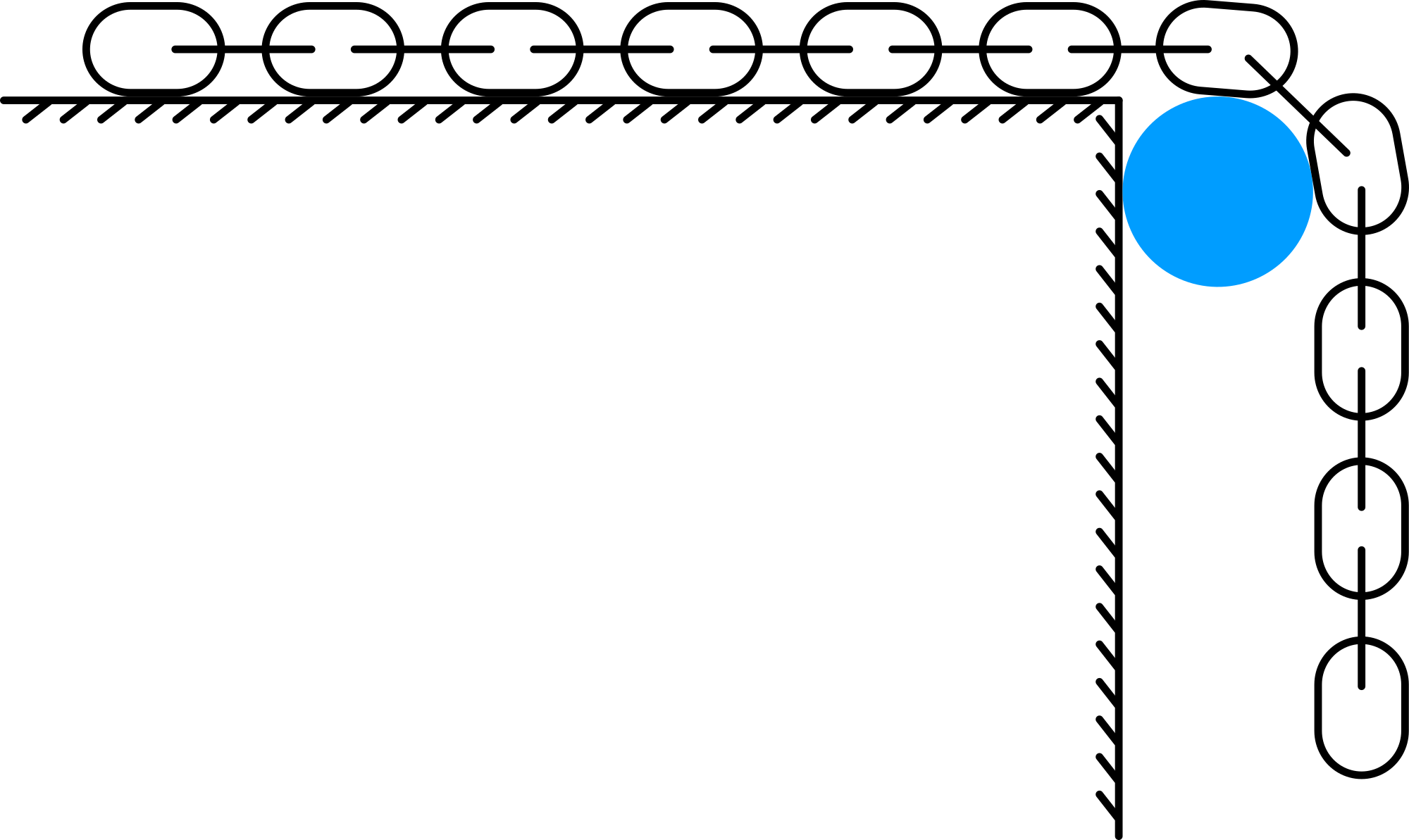
The chain is laid out straight on a table. One end is slowly pulled over the edge until the chain just does not slip. The coefficient of friction between the table top and chain is then , where is the total length of the chain and the length of the overhanging portion.
Explanation
No slipping means that forces are in equilibrium: (see Figure 2).
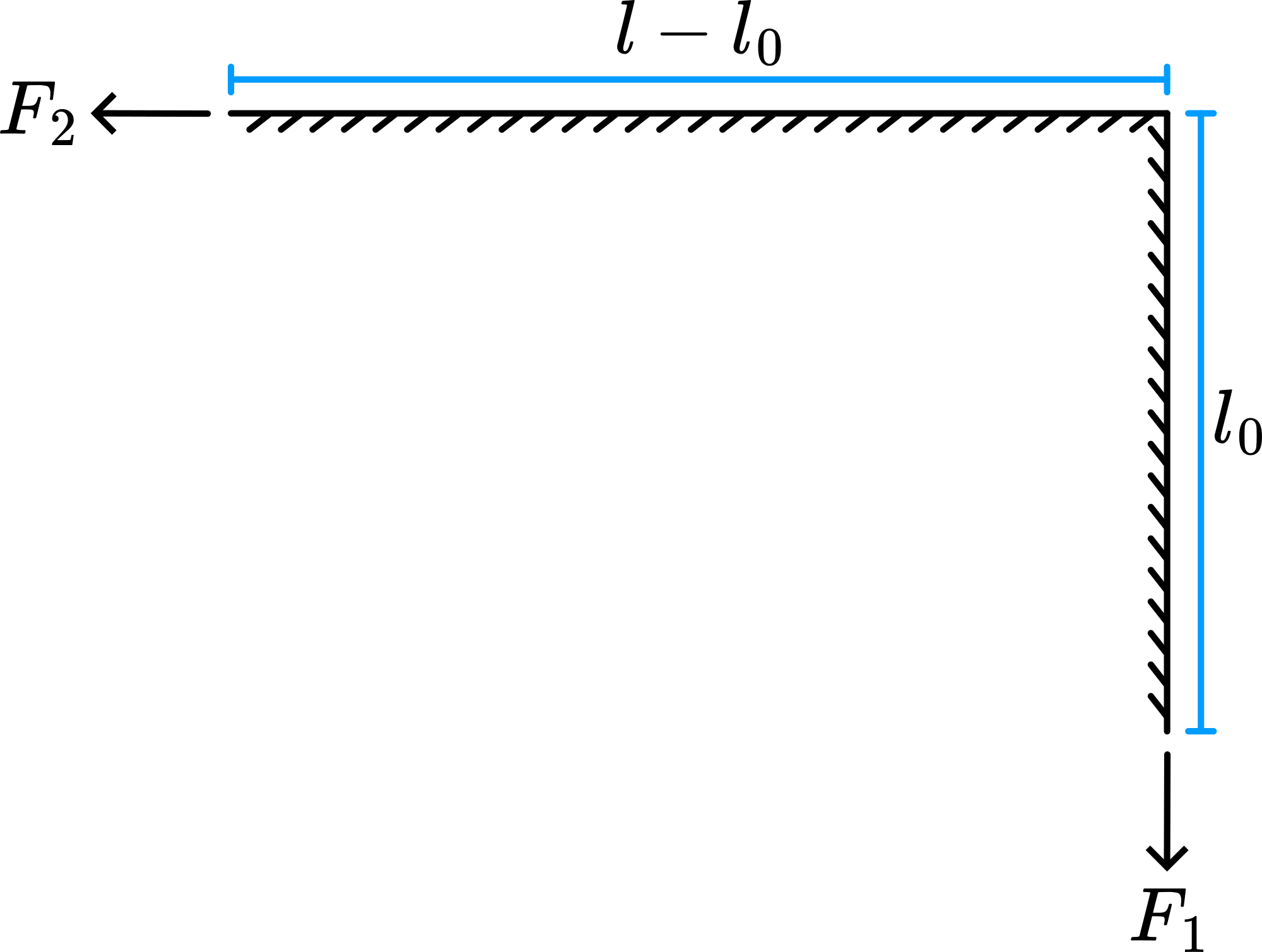
The mass of the part of the chain hanging over the edge equals: . This makes: .
The mass of the part of the chain still on the table equals: .
The normal force of that part of the chain equals: .
now yields: , and so: .
Remarks
It is advisable to make the corner of the table a low friction surface, e.g. rounding that corner. You can of course also make a special surface for your chain (acrylic plate, bended at one end). We used a stand bar as a low friction surface for the corner of the table.
Instead of a chain, the demonstration can also be done with a piece of soft cloth or rope.
Sources
Meiners, Harry F., Physics demonstration experiments, part 1, pag. 152